
AI Keynote Speakers for 2027
AI keynote speakers who built the systems your audience already uses, from Siri and Shazam to production AI at Yembo, plus a Google DeepMind researcher who previously worked at OpenAI. Keynotes and hands-on AI workshops for 2027 events.
Find Your SpeakerWhy Book an AI Speaker?
- Hear the story of Siri, now on more than 2 billion Apple devices, from co-creator Adam Cheyer, a co-founder or founding member of five startups (four acquired, by Apple, Samsung, Cognizant and Airbnb) who later served as VP of AI Experience at Airbnb
- Get the research frontier from Mo Tiwari, an AI researcher at Google DeepMind and former Member of Technical Staff at OpenAI, with 20+ peer-reviewed papers at venues including NeurIPS and ICML
- Learn what it takes to get AI out of the pilot stage from Zach Rattner, co-founder and CTO of Yembo, whose AI platform processes millions of videos a year in 20+ countries
- Move a company from AI-curious to AI-capable with Philip Lakin, Director of AI Transformation at Zapier, who has spent more than 1,000 hours in the field with enterprise AI leaders
- Explore generative AI and creativity with Dr. Maya Ackerman, CEO of WaveAI, whose songwriting AI has served millions of users through LyricStudio and MelodyStudio
- Hear how Chris Barton built Shazam (2B+ downloads, 300M+ monthly users today) after MIT and Stanford experts said the pattern recognition it needed was impossible
Common Event Types
AI Speakers
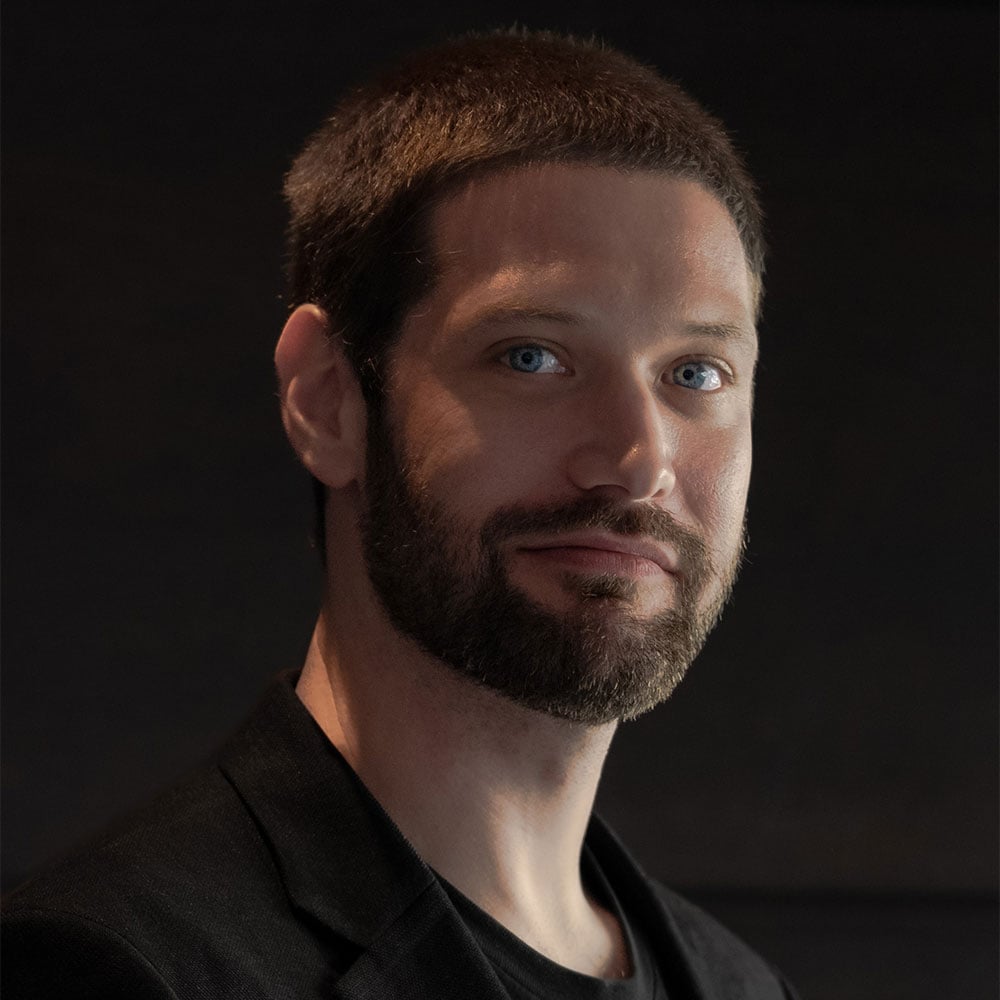
Zach Rattner
AI Founder & CTO with physical industry customers in 20+ countries
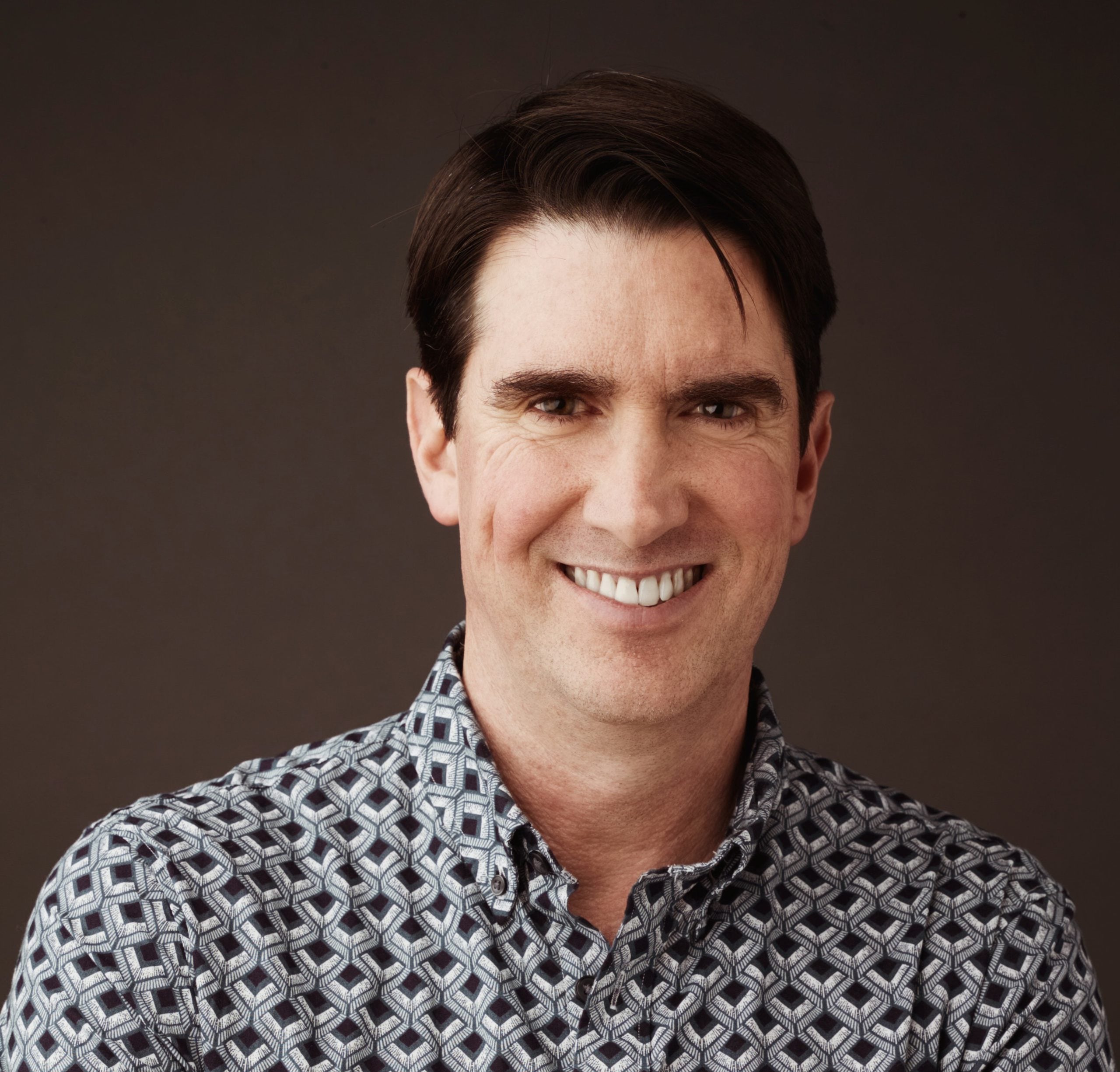
Adam Cheyer
Co-Creator of Siri and 5x founder at the intersection of AI and human potential
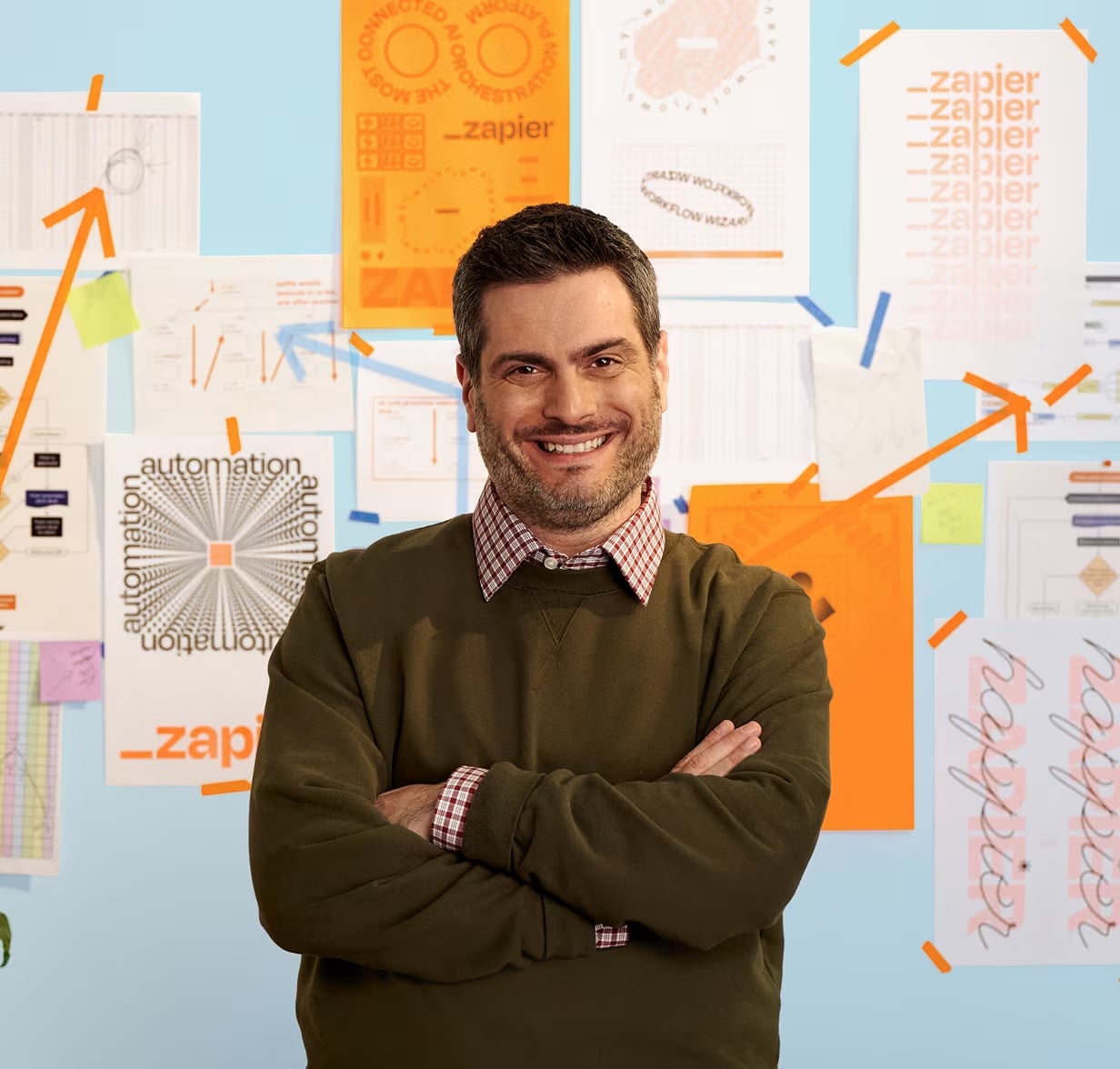
Philip Lakin
Director of AI Transformation at Zapier and the operator companies call when AI adoption stalls, with 1,000+ hours turning enterprise teams from AI-curious to AI-capable
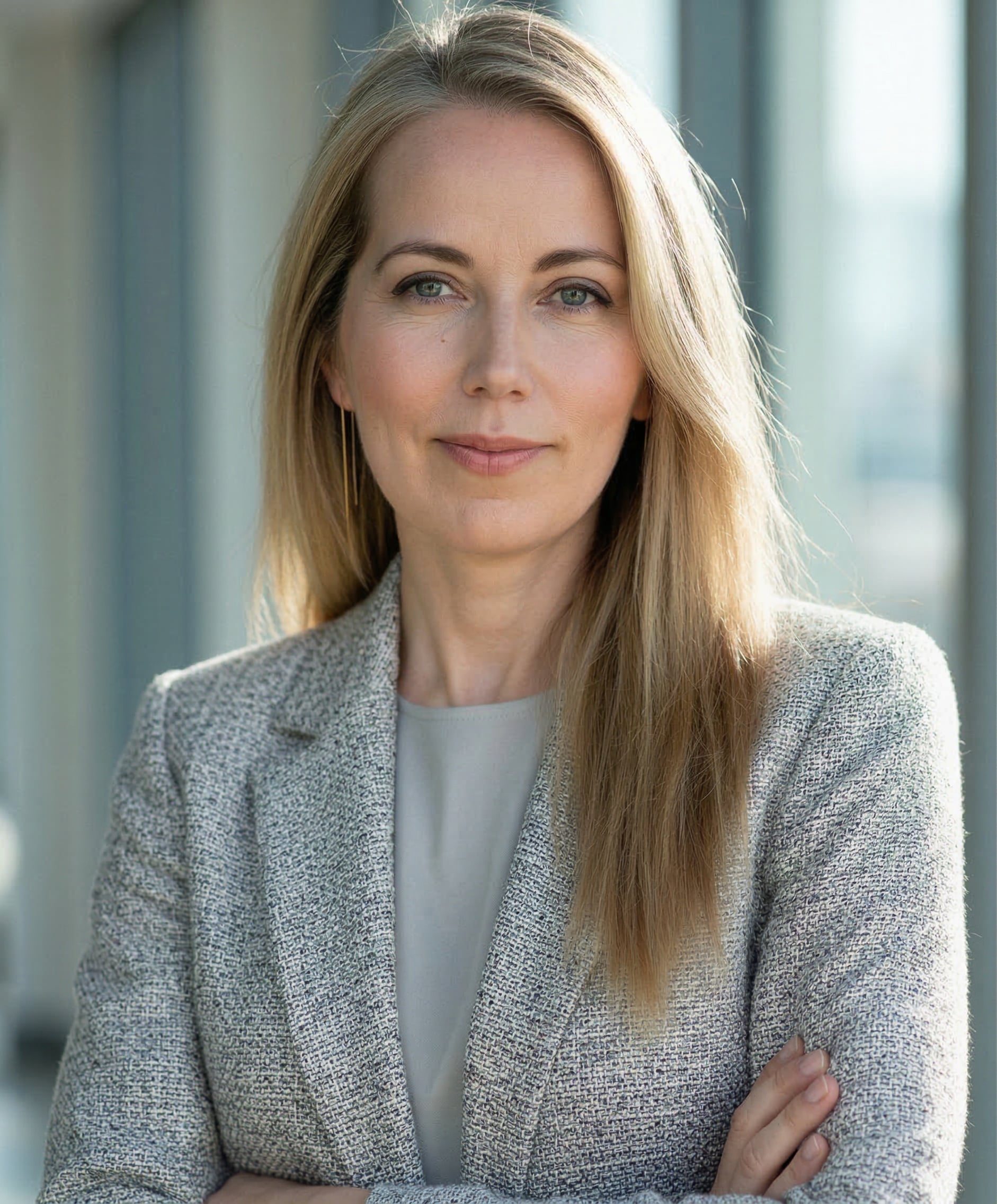
Maya Ackerman
CEO of WaveAI & AI Professor at Santa Clara University
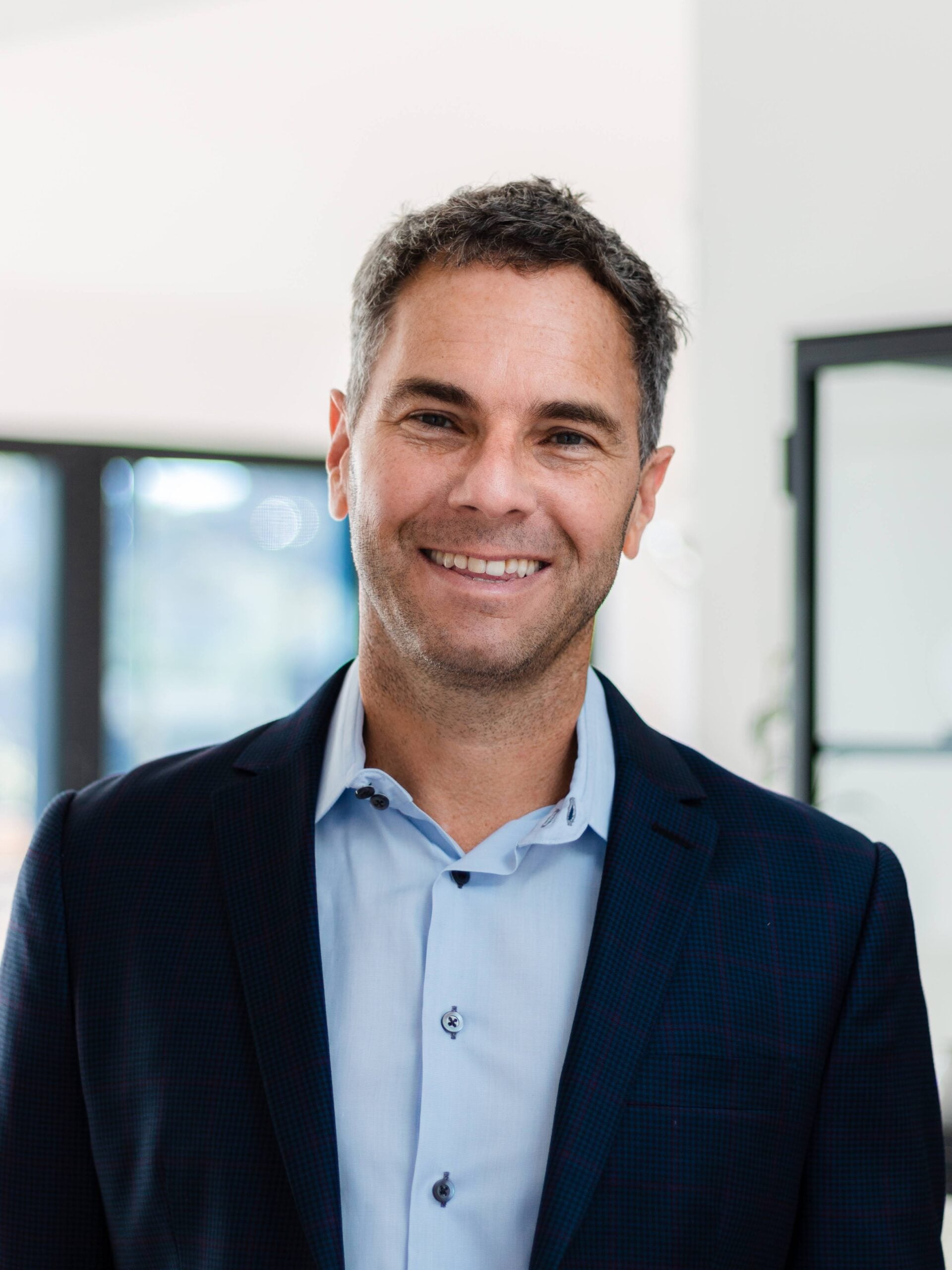
Chris Barton
Founder & Creator of Shazam, Entrepreneur, Inventor, and Tech Investor
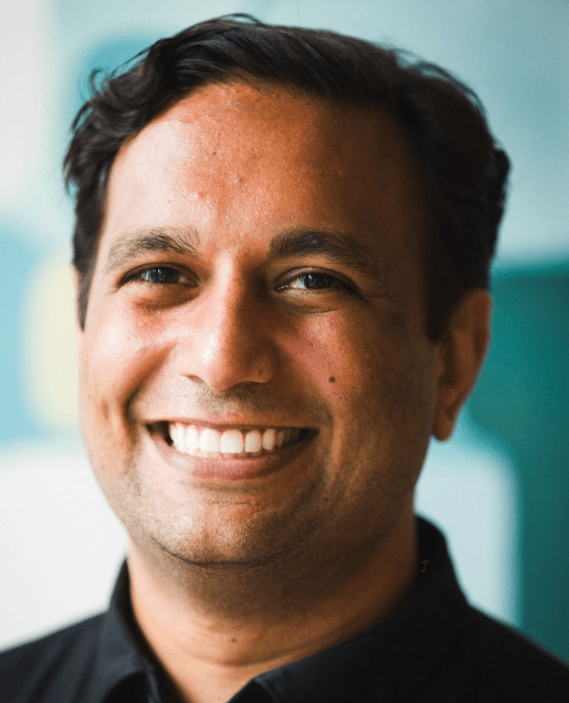
Mo Tiwari
Google DeepMind researcher and Stanford CS PhD bridging AI research with real-world impact
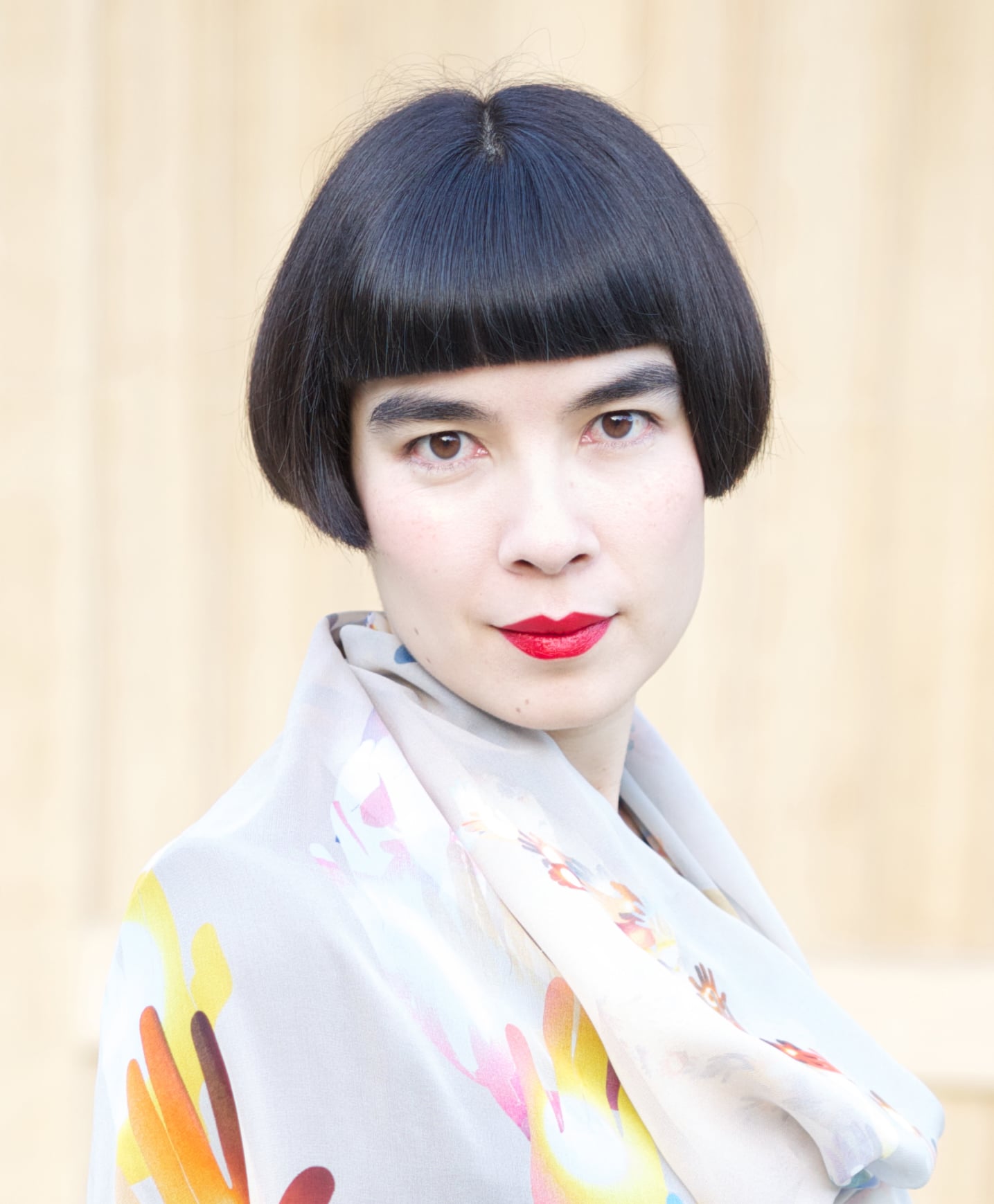
Drue Kataoka
Visual AI pioneer who has keynoted at Davos, Milken Global, the Vatican Academy of Pontifical Sciences, and the world's most prestigious stages
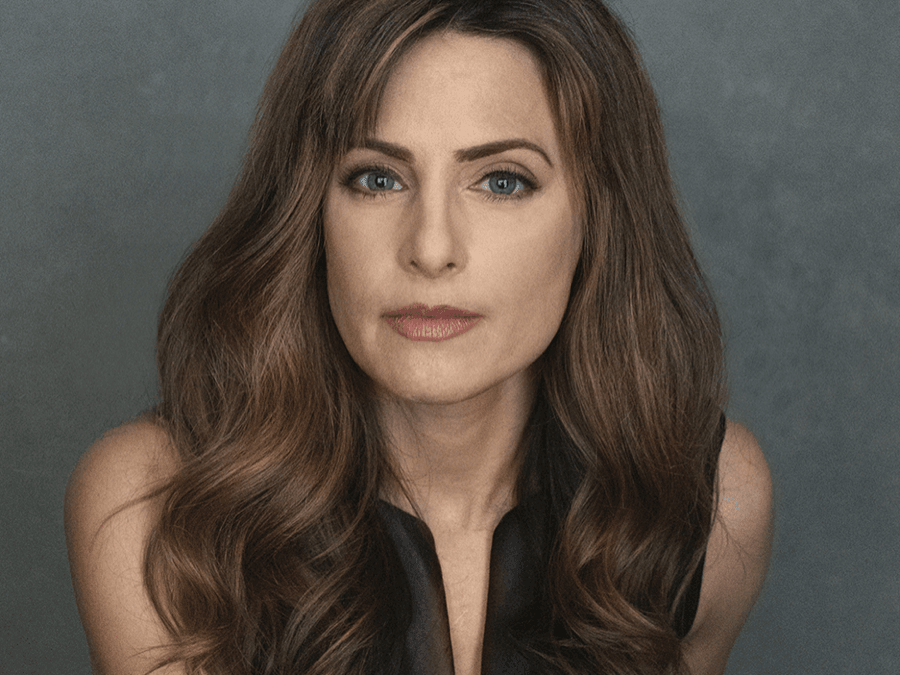
Abigail Posner
Anthropologist & Former Director, U.S. Creative Works at Google | Becoming Irreplaceable in an AI World
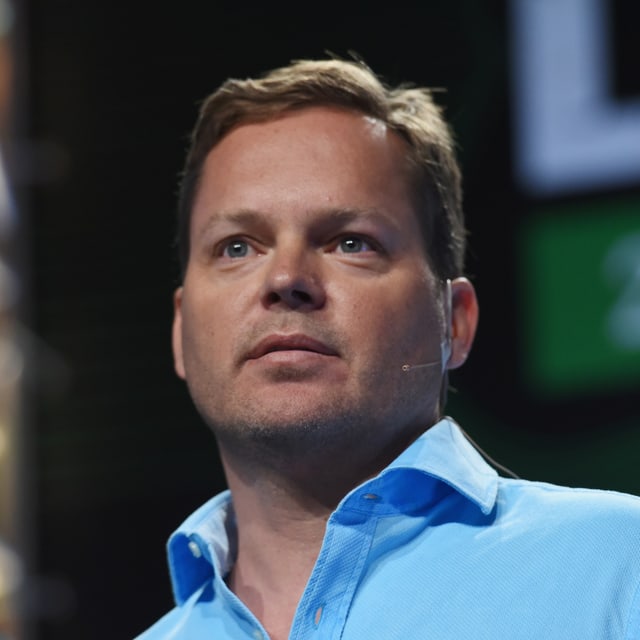
Dag Kittlaus
Co-founder and CEO of both Siri and Viv Labs
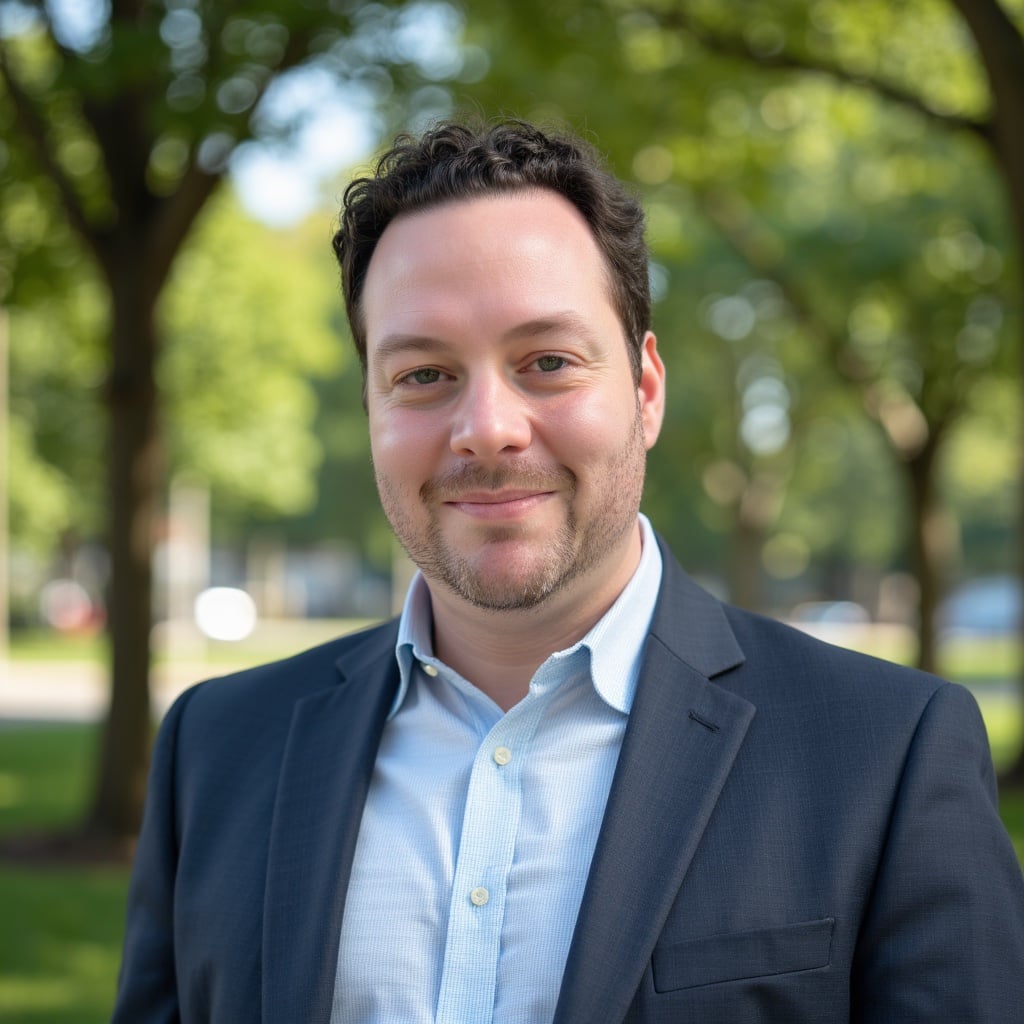
David Homan
USA Today Best-Selling Author and Speaker on Trust, Relationship Value, Human Connection, and Ethical AI
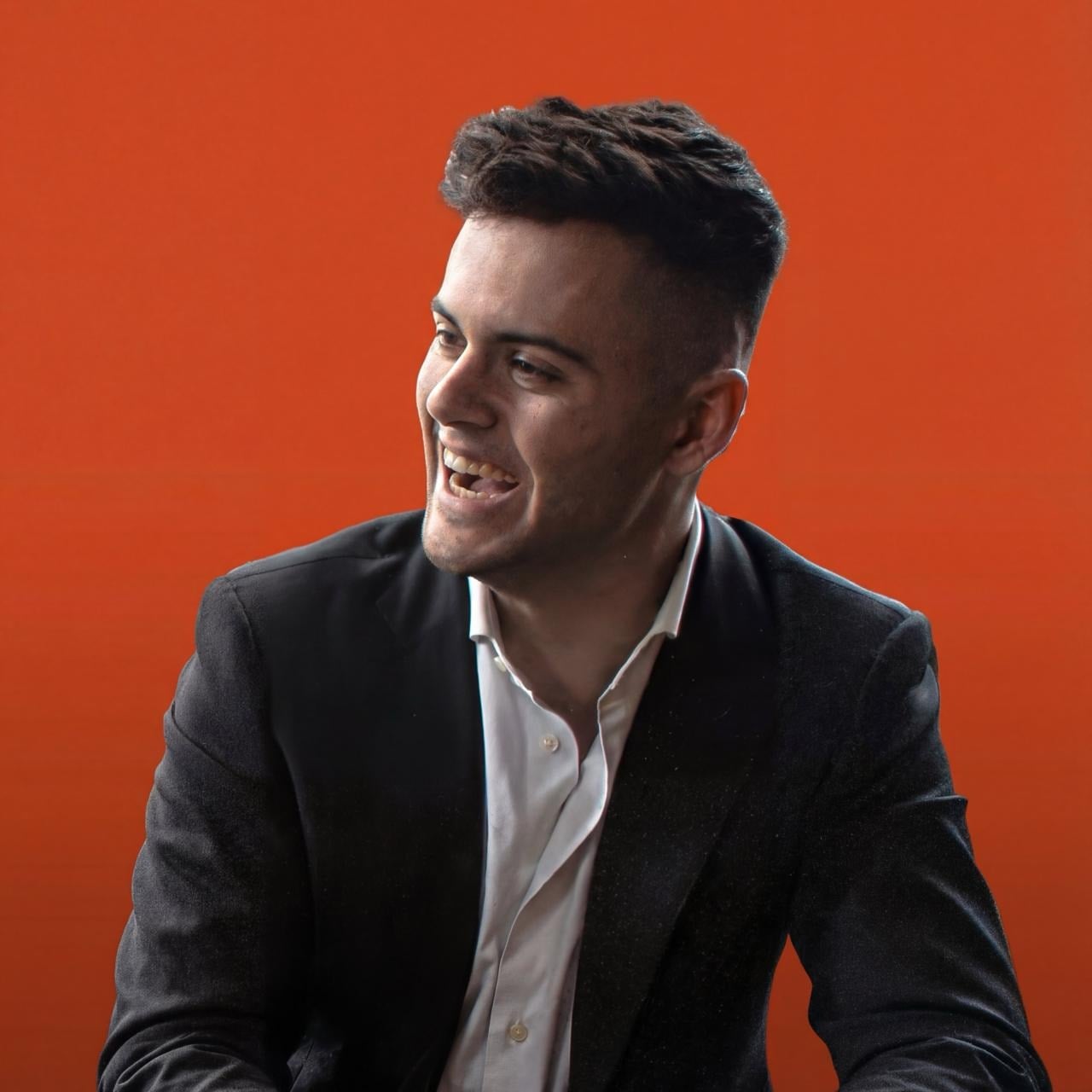
Ethan Monkhouse
Founder of Monkhouse & Partners and Head of AI at Knightox; runs his companies on the AI systems he builds
An AI keynote speaker in 2027 has to clear a higher bar than ever, because most of your audience now uses AI tools at work and can tell within minutes whether the person on stage has built anything. The AI keynote speakers on our roster have. Adam Cheyer co-created Siri, which runs on more than 2 billion Apple devices, and Chris Barton built Shazam, which 300 million people use every month. Mo Tiwari researches AI at Google DeepMind after working at OpenAI. Zach Rattner's platform at Yembo processes millions of videos a year, and Philip Lakin leads AI transformation at Zapier. Below you'll find who they are, the AI topics companies are booking for 2027, what AI keynotes cost and how to book one.
Top AI keynote speakers for 2027
Our AI roster is built around people who have shipped AI products or done AI research at the top labs, and it sits alongside speakers on many other topics. Adam Cheyer co-created Siri and served as Chief Architect of the company Apple acquired in 2010. He holds 50 patents in AI and conversational interfaces, and as VP of AI Experience at Airbnb he worked on turning the platform into a generative AI travel concierge. Chris Barton founded Shazam, the first mass consumer AI product, which Apple acquired after 2 billion downloads, and he is now building Guard, an AI system designed to detect drowning in swimming pools. Mo Tiwari is an AI researcher at Google DeepMind and a former Member of Technical Staff at OpenAI, with a Stanford CS PhD and published work co-authored with Turing Award winner Yoshua Bengio. Zach Rattner co-founded Yembo and holds 30 granted US patents, and his book is Grow Up Fast: Lessons from an AI Startup. Philip Lakin co-founded NoCodeOps, which Zapier acquired in 2024, and now runs a 12-month embedded AI transformation program with Zapier's enterprise partners. Zach Rattner and Philip Lakin are represented exclusively by Silicon Valley Speakers. Dr. Maya Ackerman is a computer engineering professor at Santa Clara University with 50+ peer-reviewed publications and the author of Creative Machines: AI, Art & Us (Wiley, 2025). Drue Kataoka, an authority on visual generative AI, has keynoted the World Economic Forum in Davos and the Pontifical Academy of Sciences at the Vatican. Abigail Posner spent 13 years at Google, where her Creative Works team built AI-powered advertising strategies for YouTube's top global advertisers. Ethan Monkhouse runs his own companies on the AI systems he builds, and his client work spans UBS, Checkout.com, Audi and Dell. For the human side of AI adoption, David Homan, a USA Today best-selling author, delivers Ethical AI and Augmenting Human Connection.
Generative AI keynote speakers
Generative AI is the AI brief we hear most for 2027, and the right speaker depends on whether your audience makes things or decides what gets made. Dr. Maya Ackerman founded WaveAI in 2017, one of the earliest generative AI music startups, and her keynote The Next Chapter in Creativity: AI, Art & Us asks whether machines can be creative and how to keep the future human-centric. Drue Kataoka's The Vision Muscle™: How to Lead in the Age of AI shows leaders how visual AI puts the creative power of a design team and a movie studio in their pocket, and how to put it to work. Abigail Posner's Ingenuity Unleashed: Using AI to Make Human Imagination More Powerful Than Ever is for teams using AI to do the same things faster when they could be using it to think bigger. For the business view of large language models from the co-creator of Siri, Adam Cheyer delivers ChatGPT and the Rise of Conversational AI.
AI strategy speakers for executives and leadership teams
Leadership teams usually want a straight answer on where AI pays off and where it is hype. Mo Tiwari's AI Readiness: What Leaders Need to Know Now gives executives a framework for assessing their organization's AI readiness and building a strategy, drawn from his work at Google DeepMind and OpenAI, and his Building Organizational AI Capabilities That Actually Work runs from high-impact use cases to the teams and infrastructure behind them. Zach Rattner's Why AI Fails (and How to Fix It) explains what separates AI initiatives that deliver from expensive experiments. Philip Lakin's The AI Transformation Playbook: From Curiosity to Company-Wide Adoption starts from what he sees inside enterprise teams: most companies have an adoption problem more than a strategy problem. For an executive retreat, a fireside chat between your CEO and Adam Cheyer on The Future of AI and Businesses often gets further with a senior room than a second keynote would.
AI agents and automation speakers
AI agents are the 2027 topic most AI keynotes have yet to catch up with. Ethan Monkhouse runs his companies on AI systems he built himself, and his keynote Agents Managing Agents covers what changes when the work is done by AI agents in place of tools, while Running a Company on AI walks through what he automated in his own business and what he refused to hand over. Adam Cheyer has worked on intelligent agents since his years at SRI International, where he was Chief Architect of CALO/PAL, the US government's largest-ever funded AI project, and his keynote "I Can Help With That": The Future of Intelligent Interface Agents looks at where assistants go next. For teams that want to know when a job needs AI at all, Philip Lakin's AI vs. Automation: When to Use Determinism and When to Use Inference gives them a decision framework in plain English.
AI risk, security and ethics speakers
Every company that lets AI into its systems takes on new risk, and boards want to know who is managing it. Ethan Monkhouse's The Keys to the Kingdom covers the security risks a business takes on the moment it lets AI in, and The Data Shadow looks at what AI already knows about your customers. He also runs hands-on AI and security workshops with live demonstrations. Mo Tiwari was the fifth employee at Expanse, a cybersecurity startup Palo Alto Networks acquired for $800 million, and he also led a team at Facebook building ThreatExchange. On ethics, David Homan's Ethical AI and Augmenting Human Connection argues that relationships and trust will decide which organizations grow as AI becomes globally accepted, and that AI has to be designed to change human behavior for the better.
AI keynote speakers for specific industries
Industry audiences want AI examples from their own world. Zach Rattner's platform at Yembo serves companies from moving and logistics to property insurance, and he has spoken at AICPA & CIMA ENGAGE in London. His workshop Get AI-Savvy: Career Strategies for Finance & Compliance is built for audit and compliance teams. Drue Kataoka customizes The Visual AI Revolution in Your Industry for each client, with versions for healthcare, education, finance, travel and manufacturing. Ethan Monkhouse's client and project work covers banking and payments (UBS, Checkout.com), automotive (Audi, Lexus), technology (Dell) and the public sector (the Government of Ireland and Enterprise Ireland). Chris Barton's current company, Guard, applies AI to detecting drowning in swimming pools, which gives safety-minded audiences an example far from the office.
AI researcher or AI founder: which one does your audience need?
The terms overlap, but they're different briefs. An AI researcher like Mo Tiwari, who works at Google DeepMind and previously worked at OpenAI, goes deep on how the models work and where research is heading. That suits a room of engineers or technical leaders weighing AI investment. An AI founder like Adam Cheyer or Chris Barton tells the story of taking a product experts called impossible to a system millions of people use. The story of who created Siri is the clearest version of that arc: a DARPA-funded research project that three founders spun out of SRI and sold to Apple before it shipped on an iPhone. Founder stories suit mixed business audiences and sales kickoffs, where the takeaway is about judgment under uncertainty more than the technology itself. We've placed both kinds of speaker at the same event when the program had more than one stage.
Keynote, workshop or fireside chat: choosing the AI session format
Most AI bookings start as a keynote, and many add a working session the same day. Zach Rattner pairs his keynote with From Pilot to Production: How to Launch and Lead an AI Initiative, a half-day or full-day workshop for the people who have to launch the project. Philip Lakin's Practical AI Adoption Workshop has teams identify real workflows and leave with use cases they can take straight back to their desks. Drue Kataoka's Visual AI Skills & Tools is a 2 to 5 hour hands-on session that runs from image and video generation to voice cloning and real-time AI avatars, and Dr. Maya Ackerman runs 90 to 120 minute workshop versions of both her keynotes with live AI demonstrations. If you want a speaker who demos AI live, start with those two and Ethan Monkhouse. Adam Cheyer works in keynote and fireside chat formats and also joins panels, and he does not run workshops. Chris Barton works in keynote and fireside chat formats.
How to choose an AI keynote speaker
Start with one question: has the speaker built or researched the AI they talk about? Next, check recency. An AI talk from 2023 is out of date in 2027, so ask what the speaker shipped or published in the last 12 months. Match the talk to the room as well, since an engineering audience and a sales kickoff need different speakers even when both want AI. Our checklist on what to look for in an AI keynote speaker covers the questions to ask on a discovery call, and our guide to AI keynote speakers for non-technical audiences helps when most of the room has never trained a model.
What AI keynote speakers cost in 2027
AI keynote fees follow the same bands as the rest of the keynote market: $5,000 to $15,000 for emerging and niche experts, $15,000 to $40,000 for established professionals, $40,000 to $75,000 for recognized thought leaders and $75,000 to $250,000+ for celebrity and marquee names. Virtual keynotes typically run 10 to 50% below the in-person fee for the same speaker, and custom workshops or international travel add to it. On our AI roster, Zach Rattner and Mo Tiwari start at $10,000, as does Dr. Maya Ackerman, and we confirm every other speaker's fee once we know your date and format. Our guide on how to hire a keynote speaker walks through the booking process, and keynote speaker prices for 2027 explains what moves a fee up or down.
How to book an AI keynote speaker
Send us the date and city (or virtual), who is in the room and how senior they are, what they already believe about AI, and what you want them doing differently afterward. With that, a 20-minute call usually gets us to two or three speakers from our roster, each with a talk outline mapped to your goals, and we handle the contract and logistics through to the prep call with the speaker. The most requested AI speakers book 6 to 9 months out. January through March fills first because of sales kickoff season, so if your event falls in the first half of 2027, start the conversation now.
If you're booking an AI keynote speaker for 2027, start by asking whose AI work your audience already relies on. That narrows the field fast. Tell us about your event and we'll come back with the speakers on our roster whose direct experience maps to what you want your audience to take away.
Frequently Asked Questions
What is an AI keynote speaker?
An AI keynote speaker is someone who has built or researched AI systems and now explains to audiences what AI means for their work. The strongest come from operator and research backgrounds more than commentary, and they speak from direct experience about what is working inside production AI systems today. Most deliver a 45- to 60-minute keynote, and many add a fireside chat or a hands-on workshop.
Who are the top AI keynote speakers for 2027?
The AI keynote speakers we place most for 2027 are builders and researchers: Adam Cheyer (co-creator of Siri and former VP of AI Experience at Airbnb), Chris Barton (founder of Shazam, now building the Guard drowning-detection AI), Mo Tiwari (AI researcher at Google DeepMind, formerly at OpenAI), Zach Rattner (co-founder and CTO of Yembo, with 30 granted US patents), Philip Lakin (Director of AI Transformation at Zapier), Dr. Maya Ackerman (CEO of WaveAI and author of Creative Machines: AI, Art & Us), Drue Kataoka (visual generative AI authority who has keynoted Davos and the Vatican) and Ethan Monkhouse (founder of Monkhouse & Partners and Head of AI at Knightox). Zach Rattner and Philip Lakin are represented exclusively by Silicon Valley Speakers.
Who are the best AI keynote speakers for tech conferences?
For technical audiences, start with Mo Tiwari (Stanford CS PhD, 20+ peer-reviewed papers at venues including NeurIPS and ICML, now at Google DeepMind) and Zach Rattner (30 granted US patents and a top 2% contributor on Stack Overflow). Adam Cheyer, who holds 50 patents and led server-side engineering and AI for Siri at Apple, works well for tech conferences that want the history and future of conversational AI from someone who built it. Chris Barton, who holds 12 patents including one integrated into Google's search algorithm, works as an opener for tech events with the story of building Shazam when experts said it couldn't be done.
Which AI speakers fit an AI transformation summit or an executive retreat?
For an AI transformation summit, Philip Lakin is the closest fit: he runs a 12-month embedded AI transformation program with Zapier's enterprise partners, and his keynote The AI Transformation Playbook covers moving a company from curiosity to company-wide adoption. Zach Rattner's From Pilot to Production workshop suits the people who have to launch the work. For a mid-market executive retreat, Mo Tiwari's AI Readiness: What Leaders Need to Know Now gives a leadership team a framework for its own AI strategy, and a fireside chat with Adam Cheyer works well in a small senior room.
Can we book a former OpenAI researcher as a keynote speaker?
Yes. Mo Tiwari was a Member of Technical Staff at OpenAI and is now an AI researcher at Google DeepMind. He holds a PhD in Computer Science from Stanford, where he was advised by Sebastian Thrun and Chris Piech, and his open-source BanditPAM algorithm is used by researchers worldwide. His keynotes include The Bleeding Edge: Where AI Research Is Heading and AI Readiness: What Leaders Need to Know Now, and his fee starts at $10,000. He also does fireside chats and panels.
Can I book Adam Cheyer, the co-creator of Siri, and what is his speaking fee?
Yes. Adam Cheyer books for keynotes and fireside chats and also joins panels, in person or virtually. His talks include "Hey Siri": A Founding Story, The Future of AI and Businesses, ChatGPT and the Rise of Conversational AI and How to Build a Successful Startup. His fee is quoted per event and depends on the format and whether travel is involved, so send us your date and we'll confirm it. He is also an award-winning magician who has appeared on Penn & Teller: Fool Us, and he sometimes works magic and mentalism into his keynotes.
Which AI speakers can demo AI live on stage?
Drue Kataoka's hands-on workshops put everything from image and video generation to voice cloning and real-time AI avatars in front of the room, and her Develop Your Ideas with Visual AI workshop has teams come in with an idea and leave with a prototype. Dr. Maya Ackerman's workshops include live AI demonstrations, and she often brings her musicianship on stage. Ethan Monkhouse runs AI and security workshops with live demonstrations, and Philip Lakin builds his sessions around live use cases and workflows a team can use the same week.
How much do AI keynote speakers cost?
AI keynote fees follow the same bands as the wider keynote market: $5,000 to $15,000 for emerging and niche experts, $15,000 to $40,000 for established professionals, $40,000 to $75,000 for recognized thought leaders and $75,000 to $250,000+ for celebrity and marquee names. Virtual keynotes typically run 10 to 50% below the in-person fee for the same speaker, and custom workshops or international travel add to the base fee. On our AI roster, Zach Rattner and Mo Tiwari start at $10,000, as does Dr. Maya Ackerman. We confirm exact fees for other speakers once we know your date and format.
Who are the top generative AI speakers we can book for 2027?
For generative AI, start with Dr. Maya Ackerman (CEO of WaveAI, which she founded in 2017 as one of the earliest generative AI music startups, and author of Creative Machines: AI, Art & Us from Wiley) and Drue Kataoka (visual generative AI authority who has keynoted Davos and the Vatican's Pontifical Academy of Sciences). Abigail Posner, who spent 13 years at Google, speaks on using AI to make human imagination more powerful, and Adam Cheyer, who worked on generative AI as VP of AI Experience at Airbnb, covers the business side in ChatGPT and the Rise of Conversational AI.
Do AI keynote speakers work for non-technical audiences?
Yes. Mo Tiwari's talks separate hype from reality for leaders who don't build AI themselves, and audiences praise Dr. Maya Ackerman for making complex AI topics accessible. Drue Kataoka's "Yes it's good. Send it!": What My 2-Year-Old Daughter Taught Me About Visual AI is built to break the ice with a room new to AI. Tell us how technical your audience is and we'll match the speaker to it.
What should I look for in an AI keynote speaker?
Check operator credibility first: has the speaker built or researched AI systems, or do they comment on AI from the outside? Then look at recency: an AI talk from even two years ago is out of date, so ask what they shipped or published in the last 12 months. Audience fit matters as much, because an engineering team and a sales team need different talks. Finally, check whether the speaker can add a workshop or fireside chat if you want the room working with AI, and ask for a talk outline that names real numbers and real setbacks.
When should I book an AI keynote speaker for a 2027 event?
For the most requested AI speakers, start the conversation 6 to 12 months ahead. For AI operators and researchers, 3 to 6 months is usually enough. The windows that fill first each year are sales kickoff season (January through March) and the September-to-November conference rush, so if your event falls in either, plan on double the usual lead time.
Can AI keynote speakers present virtually?
Yes. Every speaker named on this page delivers virtual keynotes, and Adam Cheyer, Mo Tiwari, Zach Rattner, Philip Lakin, Dr. Maya Ackerman and David Homan also do hybrid sessions. Virtual fees typically run 10 to 50% below in-person fees for the same speaker. Tell us your platform and audience size in the inquiry and we'll confirm the setup on the prep call.
Ready to Book an AI Speaker?
Tell us about your event and we'll recommend the perfect speaker.
Start Your Inquiry