
Keynote speakers for customer and user conferences
A customer conference keynote has to make the people who already pay for your product feel like insiders, then hand the stage to your roadmap. We place founders and operators, from the co-creator of Siri to the founder of Shazam, who prep with your team before the event so the talk sets up your announcements.
What to Expect
- A prep call with your product and events leads before the talk is written
- A keynote that frames the problem your next release solves, without pitching your product
- Opening keynote, fireside chat with your CEO, closing session or keynote-plus-workshop formats
- Two or three speaker recommendations within 24 hours of a 20-minute call, each with a talk outline mapped to your theme
Speaker Qualities We Look For
- Has built a product or company your customers already know
- Will interview your team, and your customers if you want, before writing the talk
- Comfortable in a fireside chat with your CEO as well as alone on stage
- Holds executive buyers and the daily admins of your product in one room
A customer conference keynote has a different job from an internal one. Everyone in the seats already pays for your product, and the keynote is where they decide whether your company sees further ahead than they do. The customer conference keynote speakers on our 2027 roster built things your customers already use or work on the same adoption problems your customers face: Adam Cheyer co-created Siri, Chris Barton founded Shazam, Philip Lakin leads AI transformation at Zapier and Zach Rattner co-founded Yembo, whose AI platform is used in more than 20 countries. Each of them preps with your team so the talk points toward what you're announcing.
What a customer conference keynote has to do
Two things separate a strong customer keynote from a generic one. The first is that it treats your customers as insiders, the people who hear where their category is going from someone who helped build it, before the rest of the market does. Adam Cheyer's The Future of AI and Businesses works this way at a software company's user conference, because he spent more than a decade at SRI International and co-founded Siri before most of your customers had used a voice assistant. The second is that it sets up your roadmap without pitching it. The speaker frames the problem your next release solves, so when your CPO walks on afterward, your customers already want the answer. To do that, the speaker needs your theme and your announcement list in advance (under NDA if needed), along with anything to steer clear of so the keynote doesn't step on your own news.
Speakers who interview your team or your customers first
Every booking we place includes a prep call between the speaker and your team, usually with your product lead and your events lead on the same call, so the speaker hears the roadmap story from the people who own it. Zach Rattner goes further: he tailors his From Pilot to Production workshop from pre-workshop surveys of the people who will attend, which suits a user conference where customers are in the middle of a rollout. David Homan, who has spoken at more than 350 events, pairs his keynote with an integrated trust-building workshop, so your customers practice the idea with each other before the session ends. If you want the keynote to quote your own customers, say so in the brief and we'll confirm which speakers will interview a few of them before your date.
AI and adoption keynotes for software and SaaS customer conferences
Most customer conferences we're briefed on for 2027 have an AI thread, because customers want to know what your product will do with AI and how their own teams should use it. Adam Cheyer co-created Siri, which now runs on more than 2 billion Apple devices, and was VP of AI Experience at Airbnb. He delivers The Future of AI and Businesses as a keynote or as a fireside chat with your CEO. Philip Lakin, Director of AI Transformation at Zapier, built Lead Router, Zapier's first solution product, after Zapier acquired his company NoCodeOps, and his keynote The AI Transformation Playbook: From Curiosity to Company-Wide Adoption speaks to customers trying to get their teams using what they bought. Zach Rattner, co-founder and CTO of Yembo, holds 30 granted US patents and has spoken at AICPA & CIMA ENGAGE in London, and his Why AI Fails (and How to Fix It) gives buyers a straight account of why AI pilots stall. Mo Tiwari, an AI researcher at Google DeepMind who previously worked at OpenAI, grew enterprise customers on Facebook's ThreatExchange from 92 to more than 500, and his AI Readiness: What Leaders Need to Know Now suits a technical user conference. Philip Lakin and Zach Rattner are represented exclusively by Silicon Valley Speakers. More options are on our AI keynote speakers page.
Founder and community speakers for customer conferences
Chris Barton founded Shazam, which passed 2 billion downloads before Apple acquired it, after experts from MIT and Stanford told him the technology was impossible. His keynote Eliminate Effort to Unlock Explosive Growth suits a product company whose roadmap is about making its customers' work simpler. Drue Kataoka, who has keynoted the World Economic Forum in Davos and the Milken Institute Global Conference, delivers The Visual AI Revolution in Your Industry, framed around the attendees' own sector. For conferences that double as a community gathering, Milly Tamati built Generalist World to more than 150,000 people from a Scottish island of 191 residents, and her Community Playbook workshop can be tailored to customer communities. She also works as an event MC and moderator, and MC'd a full day of panels at SXSW London's Global House. David Homan, USA Today best-selling author of Orchestrating Connection, speaks on trust and relationship value, which suits customer-success and partner audiences. Our innovation and entrepreneurship pages list more founders.
Formats that work at a customer conference
The opening keynote, usually 45 to 60 minutes on the morning of day one, sets the theme before your CEO or CPO takes the stage for product news. A fireside chat puts the speaker in conversation with your CEO, which gives your customers the outside view and your leadership's response in one session. Adam Cheyer works in keynote and fireside-chat formats, and Milly Tamati can moderate. The closing session sends customers home with energy for the year ahead, and two speakers on our roster suit it well: Shannon Rowbury, a three-time Olympian and Olympic bronze medalist who is represented exclusively by Silicon Valley Speakers, delivers Medalist Mindset™: The 5 Keys to Success at the Highest Level, and Nicole Malachowski, the first woman pilot on the Thunderbirds, delivers Harnessing Headwinds: Successfully Navigating Change & Adversity. For a user conference with a training track, a keynote paired with a workshop gives customers something to practice, and Zach Rattner, Philip Lakin, Milly Tamati and David Homan all offer that format.
When to book a customer conference keynote speaker
Six to nine months ahead is the comfortable range for the most requested speakers on this page, and three to six months usually works for AI operators and researchers. Customer conferences cluster in two windows, April to June and September to November, and the fall window overlaps the busiest conference season of the year, so a spring 2027 conference should be talking to speakers now. Confirm the speaker before your agenda goes public, since a named keynote helps registration, and leave four weeks between the prep call and the event for the speaker to work in your theme and announcements. If your date is inside eight weeks, a virtual keynote or a fireside chat opens up more of the roster on short notice.
What a customer conference keynote speaker costs
Our guide to hiring a keynote speaker puts 2027 market fees in four bands: $5,000 to $15,000 for emerging and niche experts, $15,000 to $40,000 for established professionals, $40,000 to $75,000 for recognized thought leaders and $75,000 to $250,000+ for celebrity and marquee names. Most customer conference keynotes we're asked about fall in the established and recognized bands, so a $40,000 budget reaches the top of one band and the start of the next. Virtual keynotes typically run 10 to 50% below the in-person fee for the same speaker, while adding a workshop or international travel raises it. We confirm exact fees once we know your date and format.
How to brief us for a customer conference keynote
Send us four things and we can usually get to a shortlist on a 20-minute call: the date and city (or virtual), who is coming (customers only, or partners and prospects too), the theme and the announcements the keynote should set up, and what you want customers doing differently after the event. Tell us whether it's a customer conference for buyers and executives or a user conference for the admins and practitioners who use your product daily, because the talk changes with the audience. We'll come back with two or three speakers, each with a talk outline mapped to your theme.
If you're choosing a keynote speaker for a 2027 customer or user conference, start with the announcement you want your customers to care about, then pick the speaker whose story makes that problem feel urgent. Browse the full keynote speaker roster, or tell us about your event and we'll come back within 24 hours with two or three names.
Frequently Asked Questions
Who are the best keynote speakers for a customer conference in 2027?
The best customer conference keynote speaker is the one whose story sets up what you're announcing. The speakers we recommend most for 2027 customer and user conferences are Adam Cheyer (co-creator of Siri and former VP of AI Experience at Airbnb), Chris Barton (founder of Shazam, which Apple acquired after 2B+ downloads), Philip Lakin (Director of AI Transformation at Zapier), Zach Rattner (co-founder and CTO of Yembo, with 30 granted US patents), Milly Tamati (founder of Generalist World, a 150,000-person community) and, for the closing session, Shannon Rowbury (three-time Olympian and Olympic bronze medalist). Shannon Rowbury and Zach Rattner are represented exclusively by Silicon Valley Speakers, as is Philip Lakin.
What should a customer conference keynote cover?
It should make your customers feel like insiders and set up your roadmap without pitching it. The strongest customer keynotes give the audience an outside view of where their industry is heading, from someone who helped build it, then frame the problem your next release solves so the product session that follows has context. Product demos and pricing belong in your own sessions. The speaker works this out with your team on a prep call, using your theme and your announcement list.
Who is a good keynote speaker on the future and innovation for a SaaS customer conference?
For a software or SaaS customer conference, Adam Cheyer is the most common pick: he co-created Siri and later ran AI Experience at Airbnb, and The Future of AI and Businesses works as a keynote or as a fireside chat with your CEO. Chris Barton suits a product story about removing effort for users, and Zach Rattner suits customers who are rolling out AI and want to know why pilots fail. For a more technical user conference, Mo Tiwari brings the research view from Google DeepMind. Our innovation keynote speakers page has the wider list.
How much does a customer conference keynote speaker cost?
Across the market, 2027 keynote fees run $5,000 to $15,000 for emerging and niche experts, $15,000 to $40,000 for established professionals, $40,000 to $75,000 for recognized thought leaders and $75,000 to $250,000+ for celebrity and marquee names. A $40,000 budget covers the established band and the start of the recognized one. Virtual delivery usually costs 10 to 50% less, and a paired workshop or international travel adds to the fee. Our hiring guide has the full breakdown, and we confirm exact fees once we know your date and format.
How far in advance should we book a keynote speaker for a customer conference?
Six to nine months ahead for the most requested speakers, and three to six months for most others. Customer conferences cluster in spring (April to June) and fall (September to November), so dates in those windows fill first. Inside eight weeks, a virtual keynote or a fireside chat opens up more of the roster.
Will the keynote speaker customize the talk for our customers?
Yes. Every speaker on this page does a prep call with your team before the event, and the talk is built around your theme and the announcements you want it to set up. Zach Rattner tailors his workshop content from pre-workshop surveys, and David Homan pairs his keynote with a trust-building workshop your customers do together. If you want the speaker to interview a few of your customers beforehand, ask for it in your brief.
Should the keynote speaker talk about our product?
Only lightly. Customers came to hear an outside view, and a keynote that turns into a product pitch loses them before your own team takes the stage. The better approach is for the speaker to frame the problem your product solves and let your CEO or CPO deliver the answer in the next session. If the speaker uses your product, a brief mention can work, and we agree on that with you during prep.
What's the difference between a customer conference keynote and a user conference keynote?
A customer conference usually draws buyers and executives, so the keynote leans on strategy and where the industry is heading. A user conference draws the admins and practitioners who use your product every day, so the keynote should give them something they can apply, which is why keynote-plus-workshop speakers like Philip Lakin and Zach Rattner suit user conferences well. Many events mix both audiences, and we match the speaker to whichever group is the priority.
Which format works best at a customer conference?
Most customer conferences open day one with an outside keynote before the CEO or product keynote, and some add a closing speaker to send customers home with energy. A fireside chat between the speaker and your CEO is a strong alternative to a second keynote, since it puts your leadership in the same conversation. Adam Cheyer works in both keynote and fireside-chat formats. For a training track, a keynote paired with a workshop gives customers time to practice.
Can a customer conference keynote be virtual or hybrid?
Yes. Every speaker named on this page delivers virtual keynotes, which suits regional customer events and hybrid conferences with a large online audience. Virtual fees usually run 10 to 50% below in-person fees for the same speaker.
Recommended for Conferences
These speakers are frequently booked for customer conferences.

Drue Kataoka
Visual AI pioneer who has keynoted at Davos, Milken Global, the Vatican Academy of Pontifical Sciences, and the world's most prestigious stages
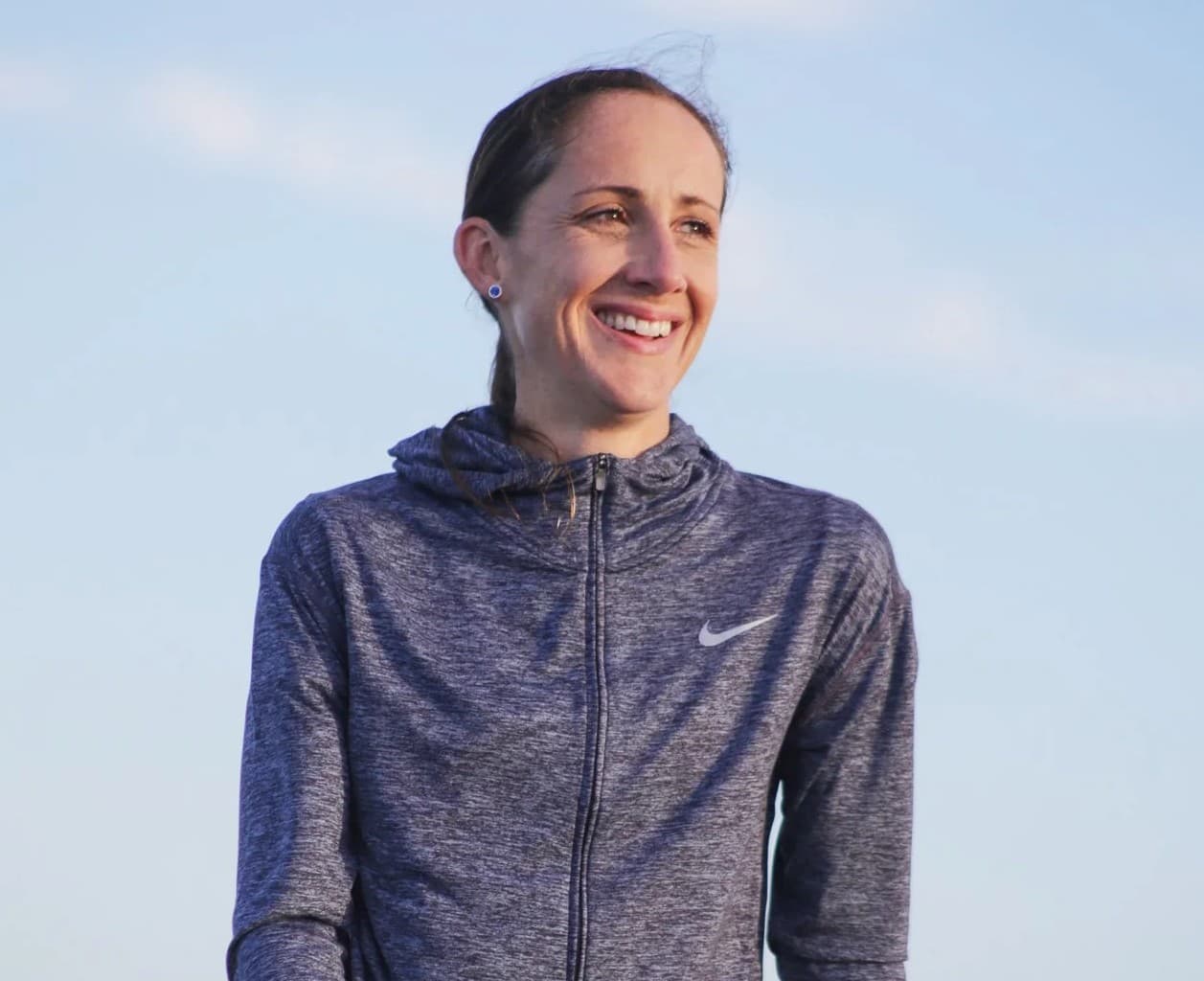
Shannon Rowbury
First woman in US history to medal in the Olympic 1500-meter race
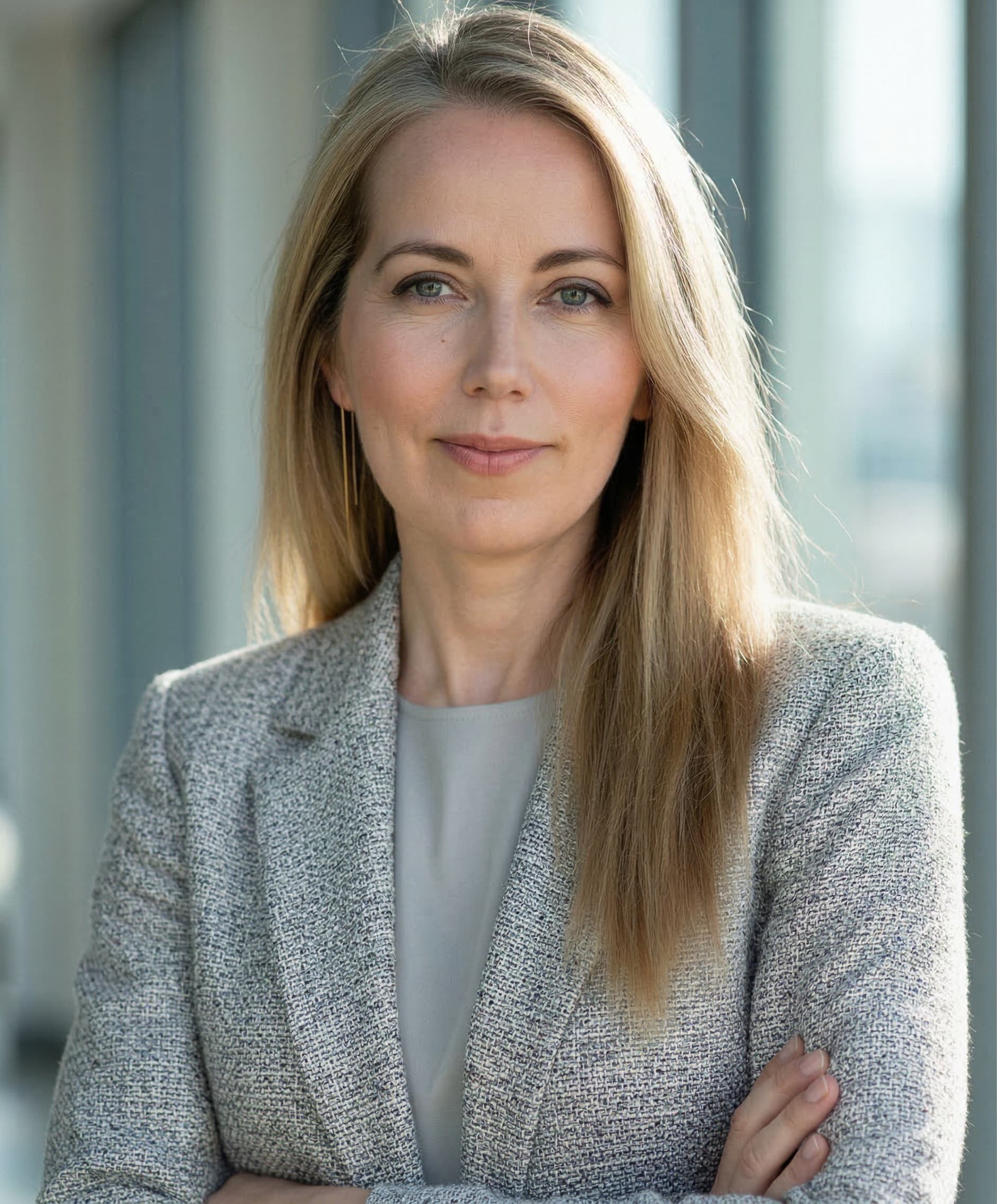
Maya Ackerman
CEO of WaveAI & AI Professor at Santa Clara University
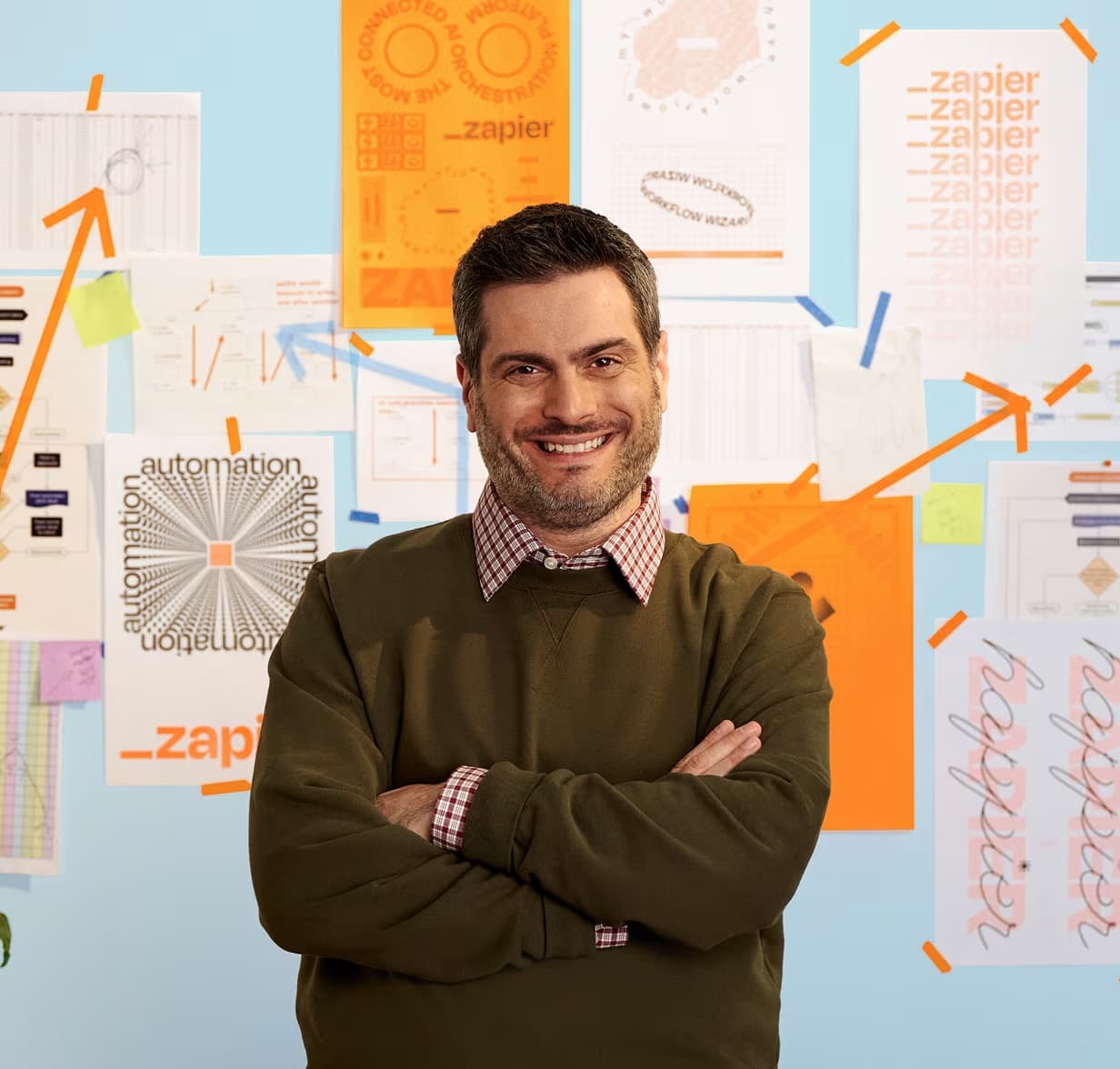
Philip Lakin
Director of AI Transformation at Zapier and the operator companies call when AI adoption stalls, with 1,000+ hours turning enterprise teams from AI-curious to AI-capable
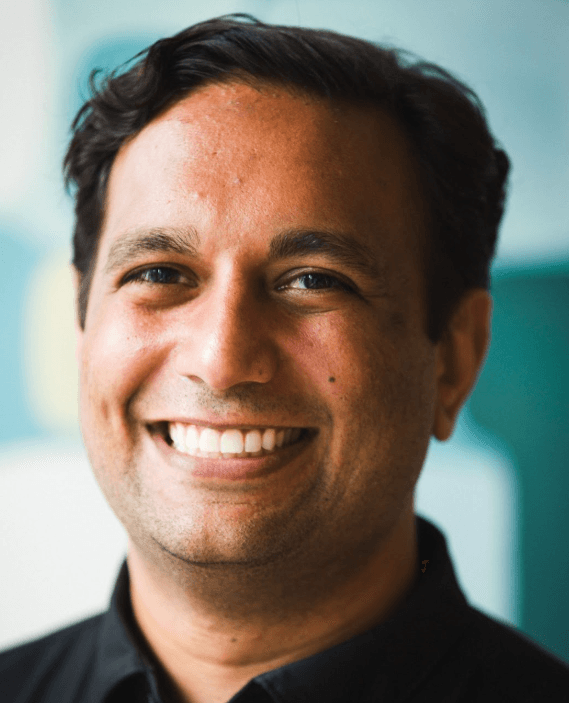
Mo Tiwari
Google DeepMind researcher and Stanford CS PhD bridging AI research with real-world impact
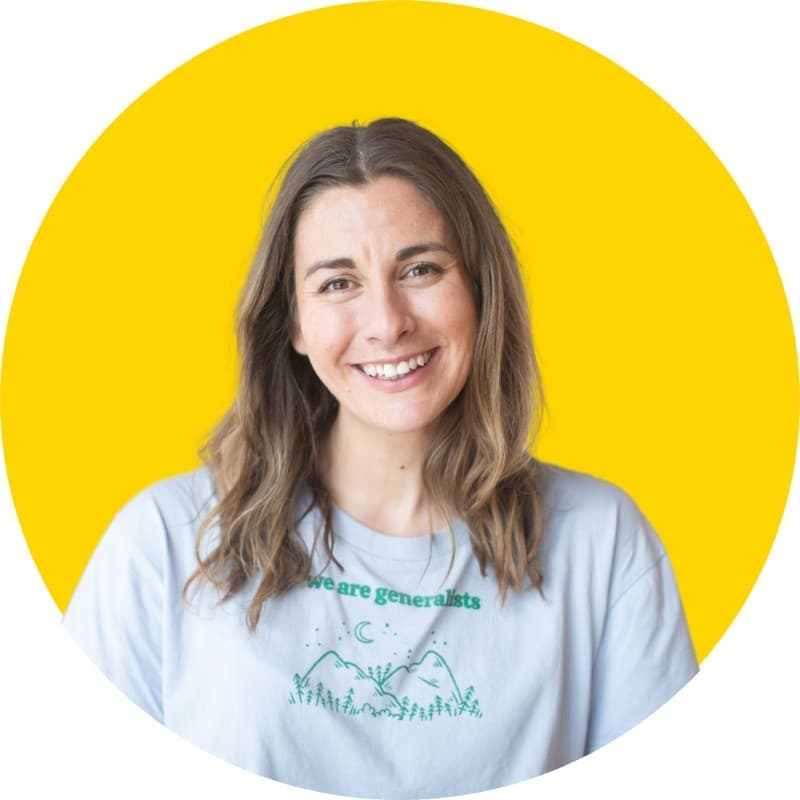
Milly Tamati
Founder of Generalist World, who built a 150,000-person global movement from a Scottish island with 191 residents
Speakers for Other Event Types
We help organizations find the right speakers for every kind of event.
Sales Kickoffs
Founders and performance experts who set the tone for a record-breaking year.
Leadership Retreats
Speakers who've built companies and can challenge your leadership team to think differently.
Annual Meetings & All-Hands
Speakers who connect with every level of your organization, from the C-suite to the newest hire.
Team Offsites
Facilitators and speakers who thrive in small group settings and create real working sessions.
Corporate & Executive Dinners
Speakers who turn a senior-leadership dinner into the conversation people remember.
Planning a Customer Conference?
Tell us about your event and we'll recommend speakers who are the perfect fit for your audience and goals.
Get Personalized Recommendations